Building the Camera App I Wanted to Use
As a photographer, I kept wishing my phone camera felt more like film. So I built an app that does.
I've spent years shooting with real cameras, street, macro, food, and somewhere along the way I started missing the specific feeling of shooting film. Not just the look of it, the whole ritual: loading a roll, not knowing exactly what you'll get, the mechanical sound of film advancing, the occasional light leak that ruins a frame in the most charming way possible.
Phone cameras are technically better than most film cameras ever were. But they don't feel like anything. Everything is clean, correct, and a little sterile. So I built Rolla, a Flutter app that tries to bring some of that feeling back, without pretending I'm shooting anything but a phone.
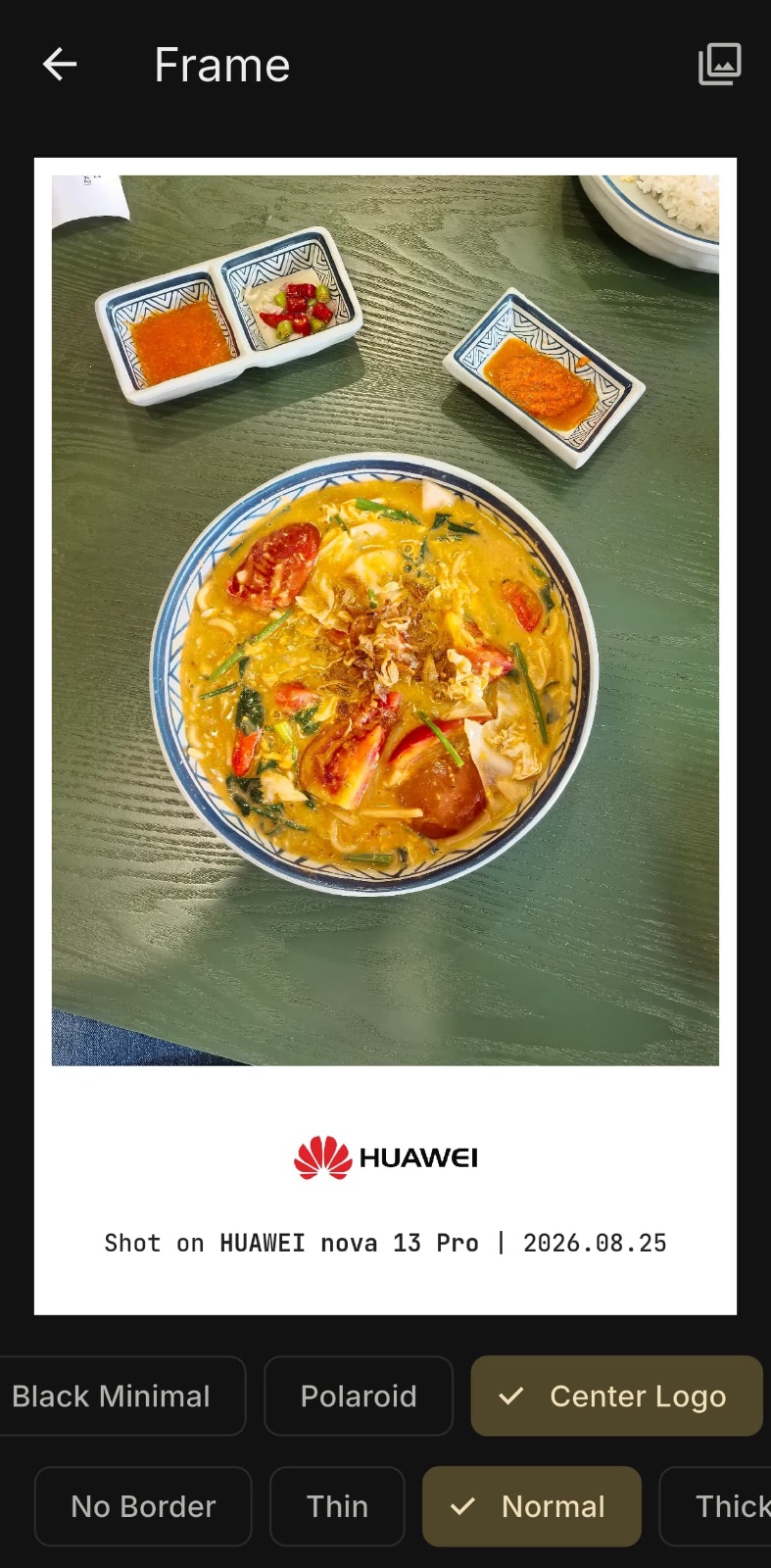
The first thing I built was framing. Pull in a photo, and Rolla reads its EXIF data, camera, lens, focal length, aperture, shutter speed, ISO, and lays it into a clean frame around the image, with a few styles to choose from and the option to show the camera's logo. If the EXIF data is missing, which happens a lot once a photo has been through WhatsApp or Instagram and stripped of its metadata, the app falls back to manual entry so the frame still comes together.
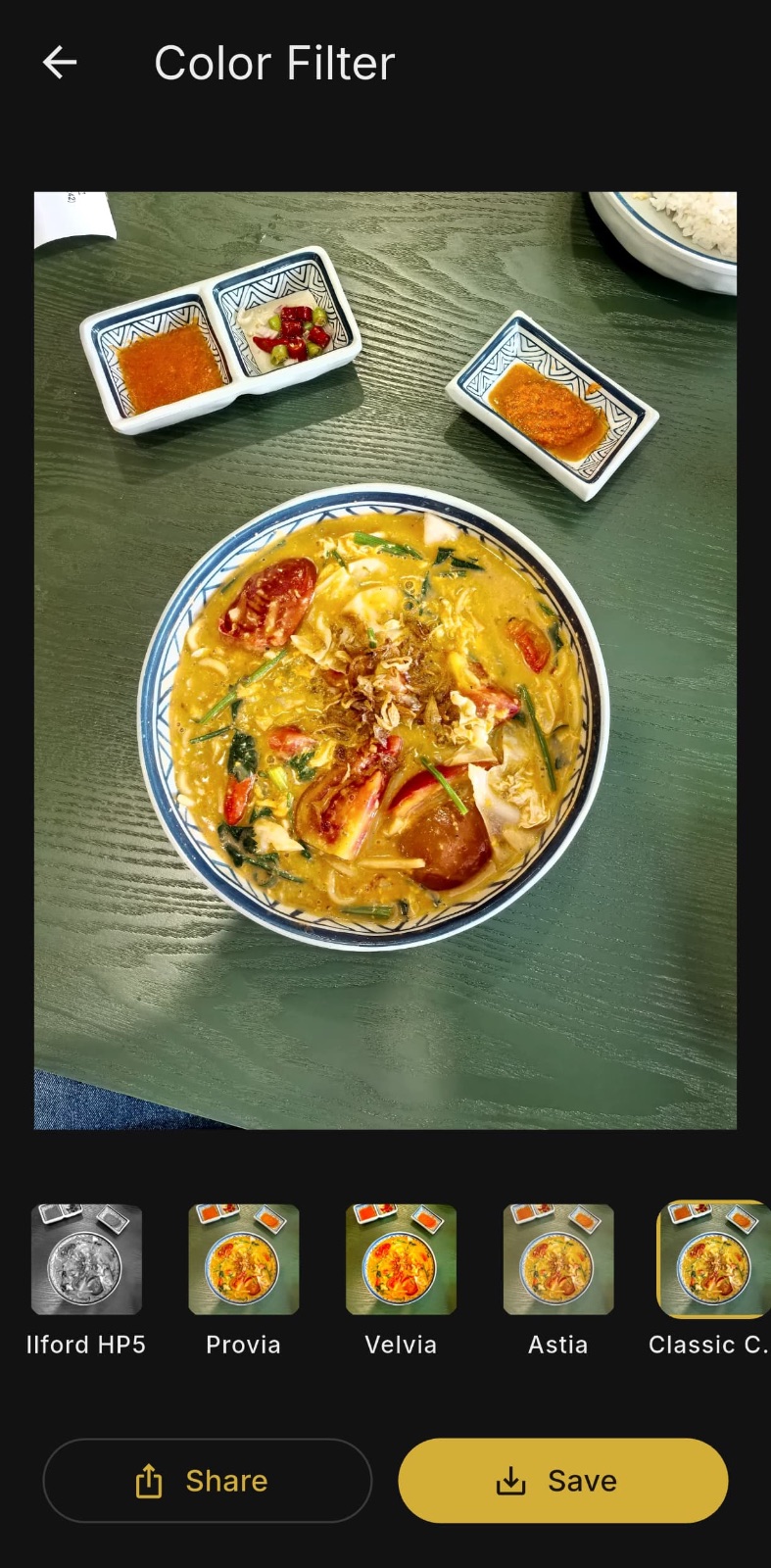
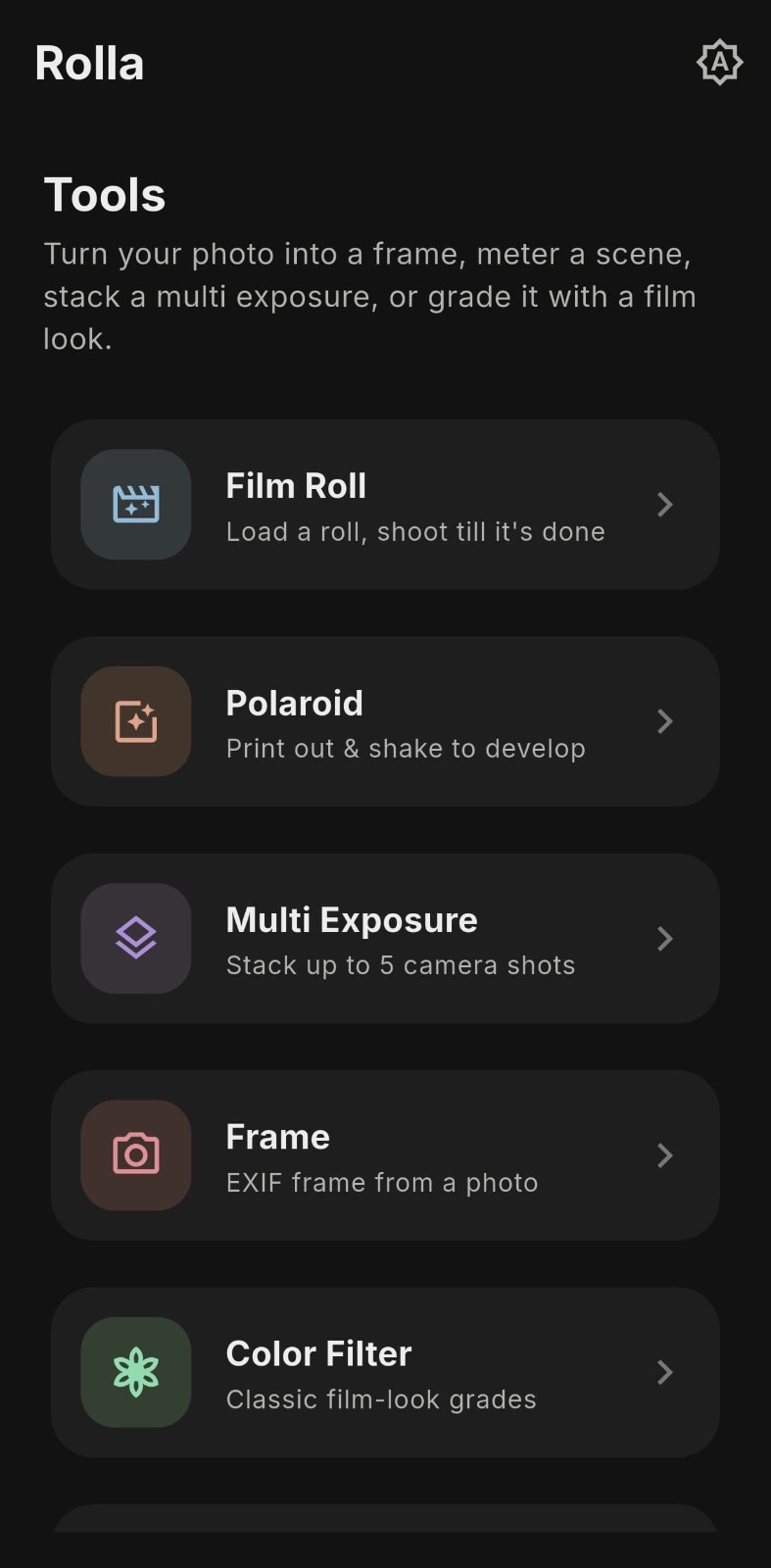
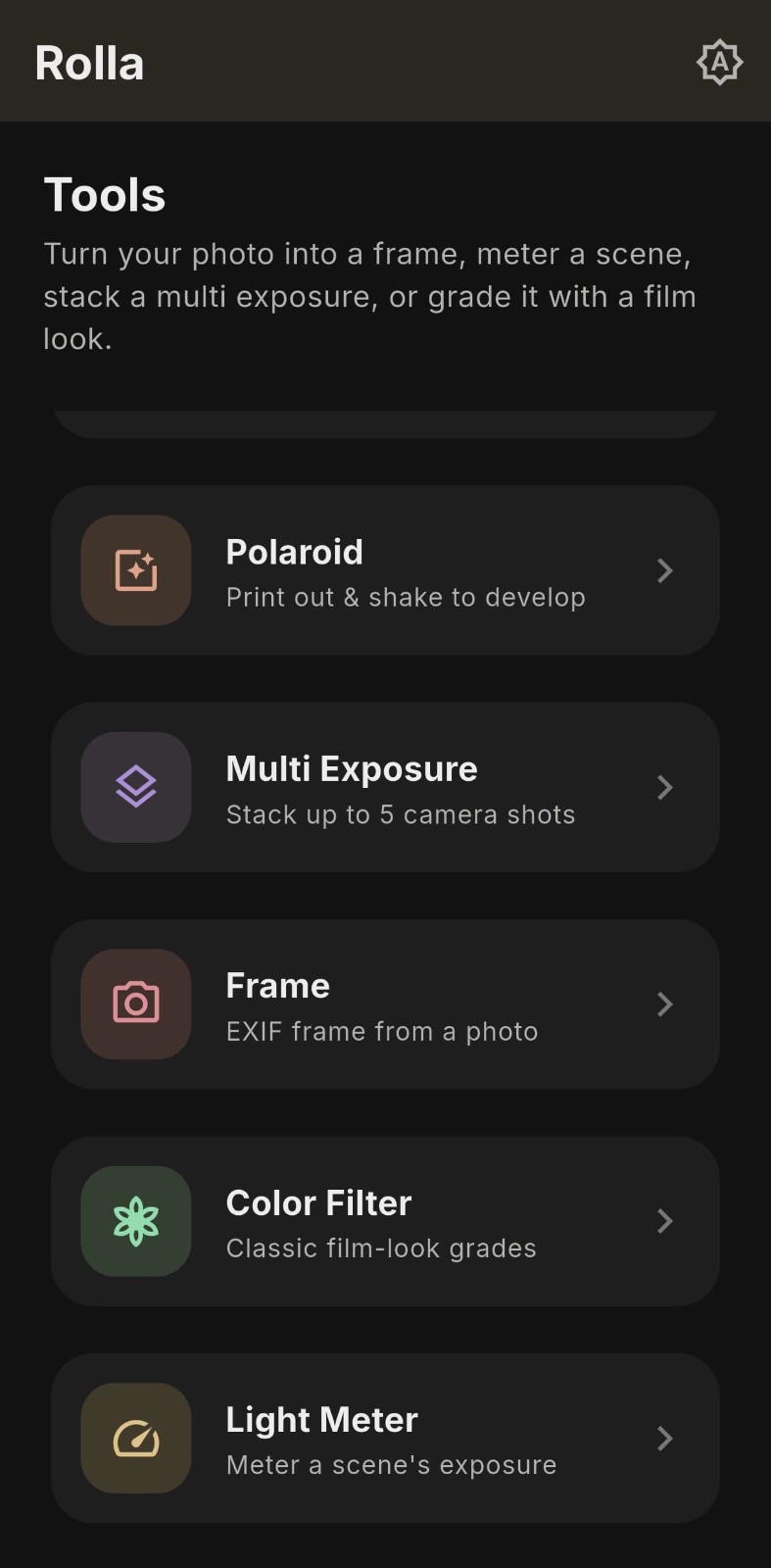
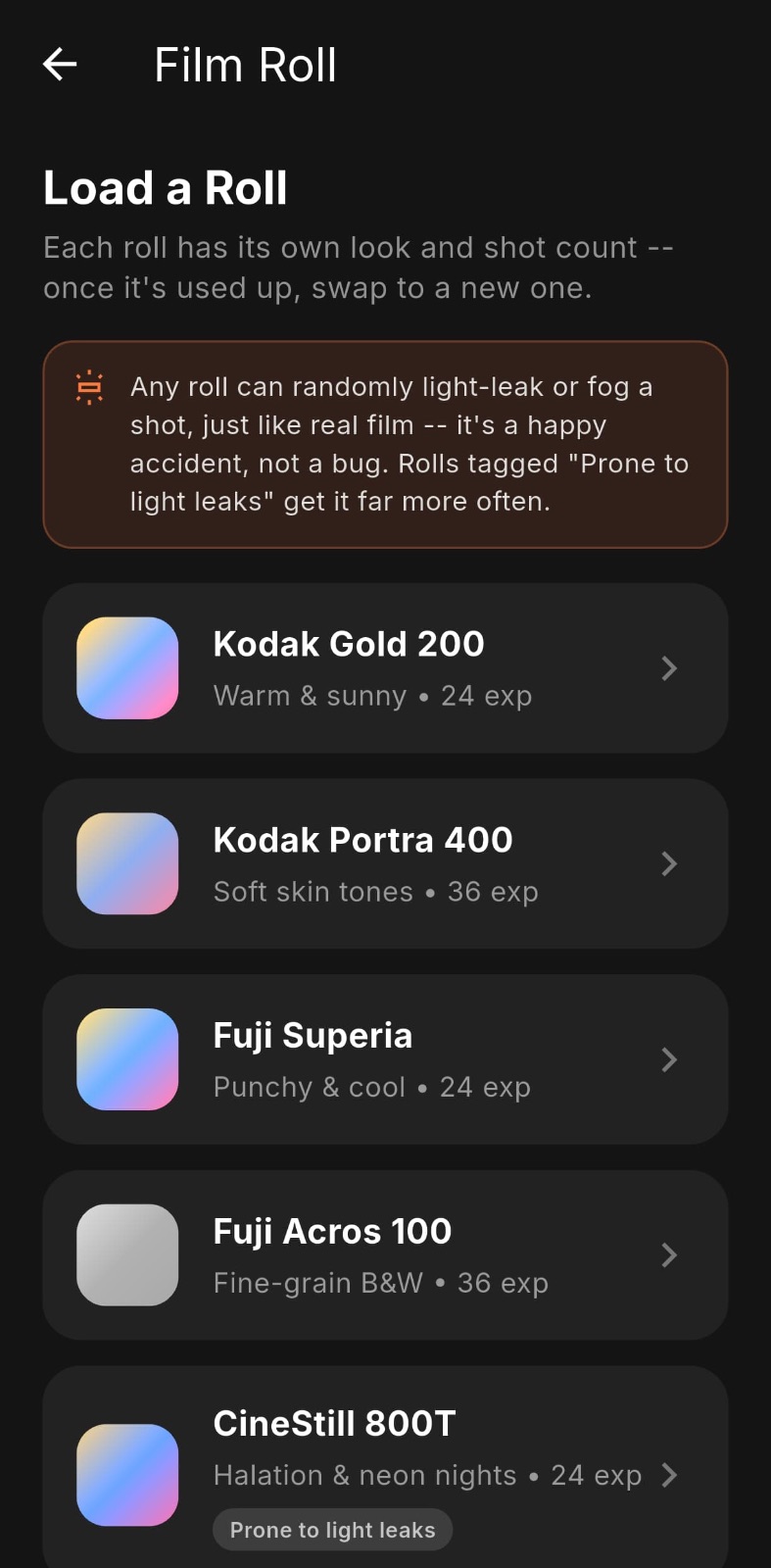
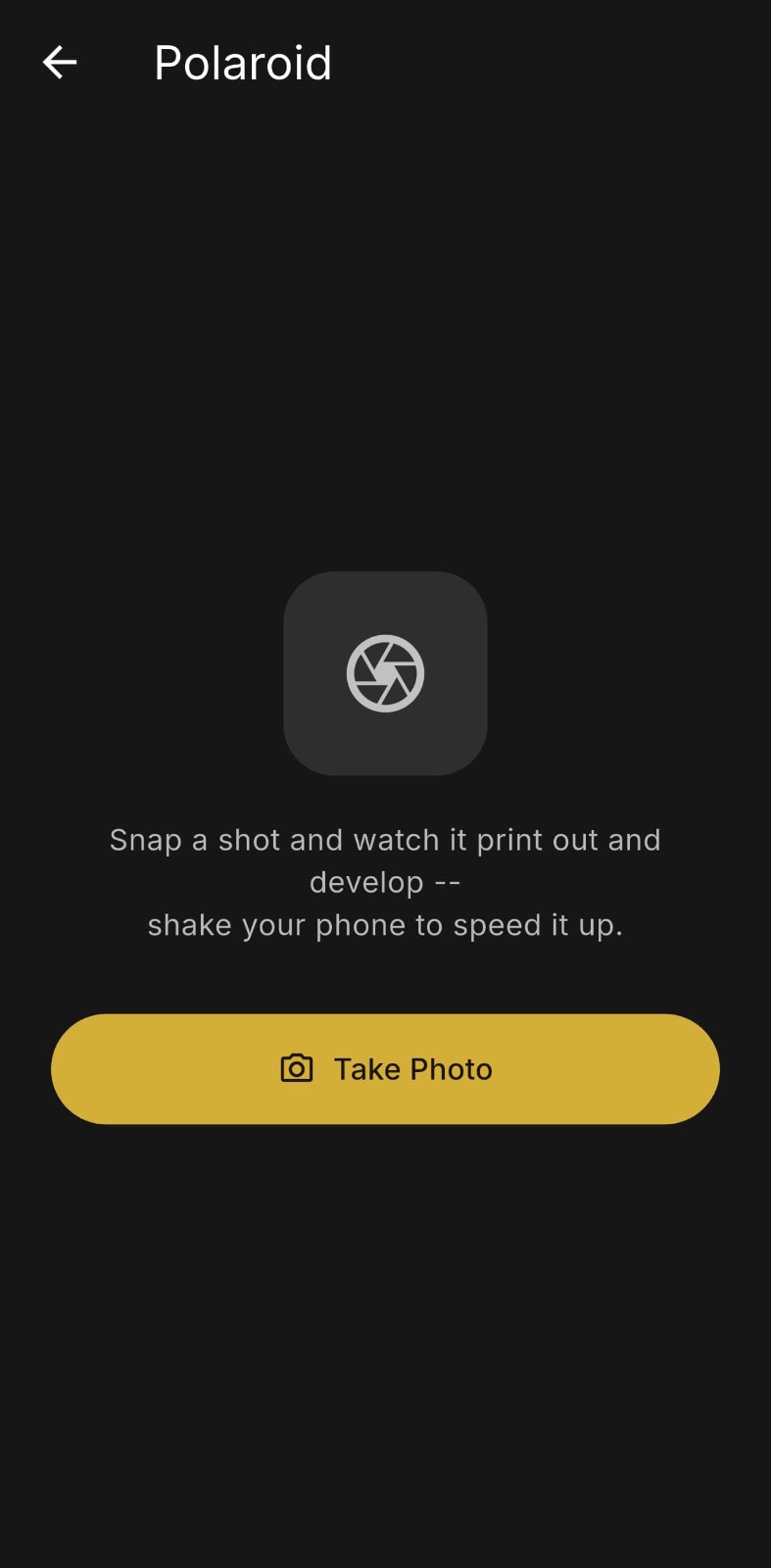
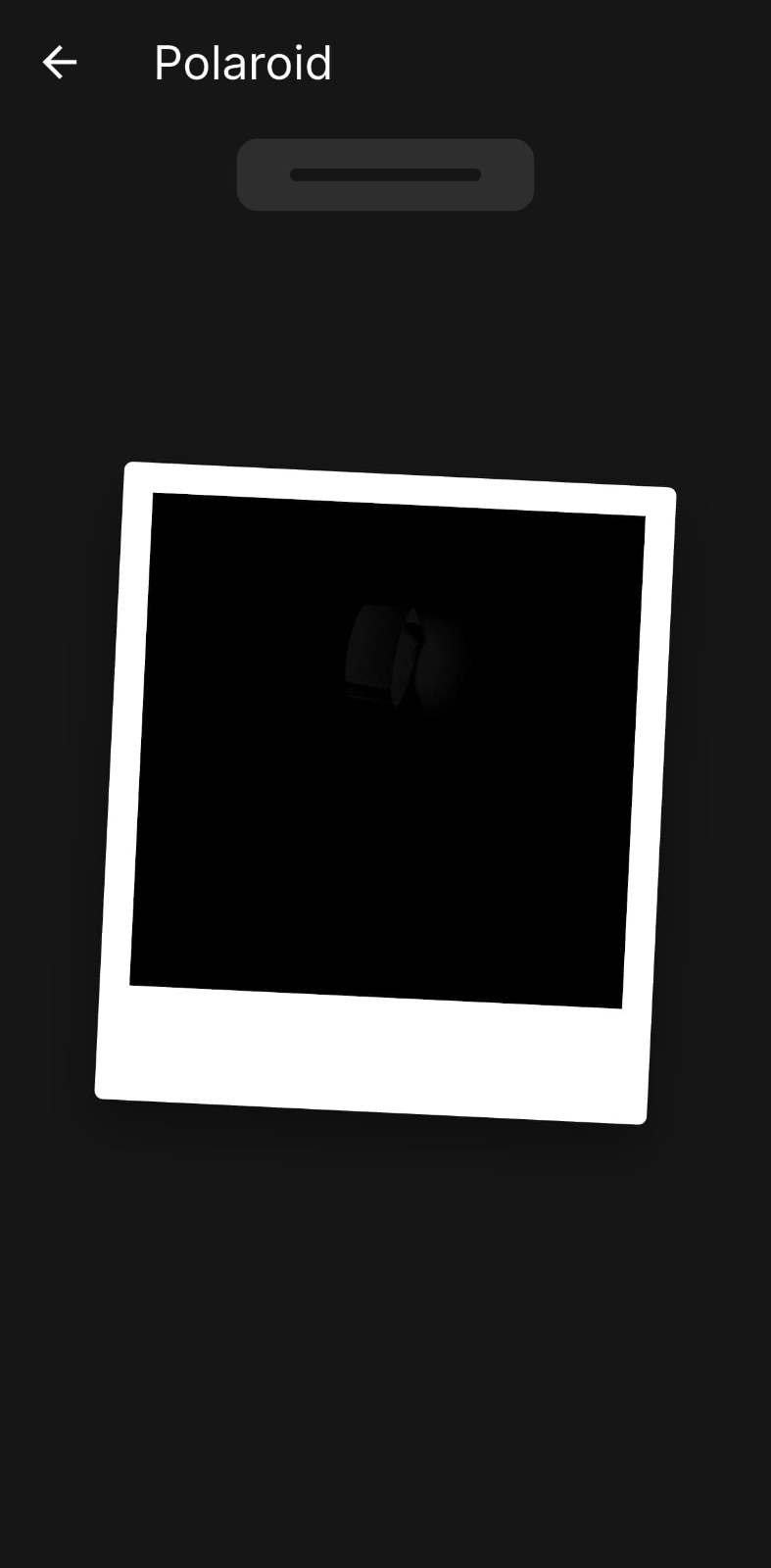
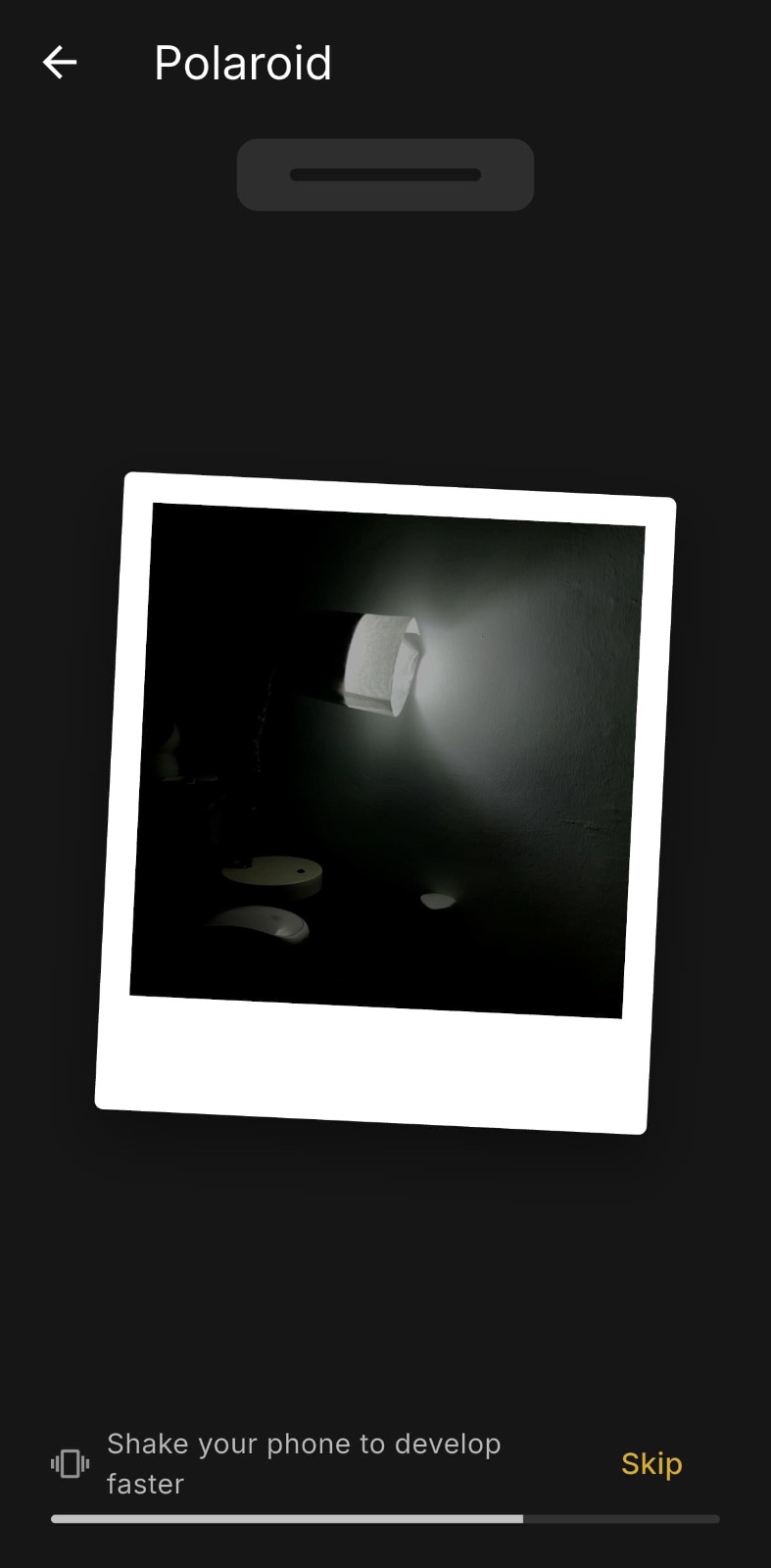
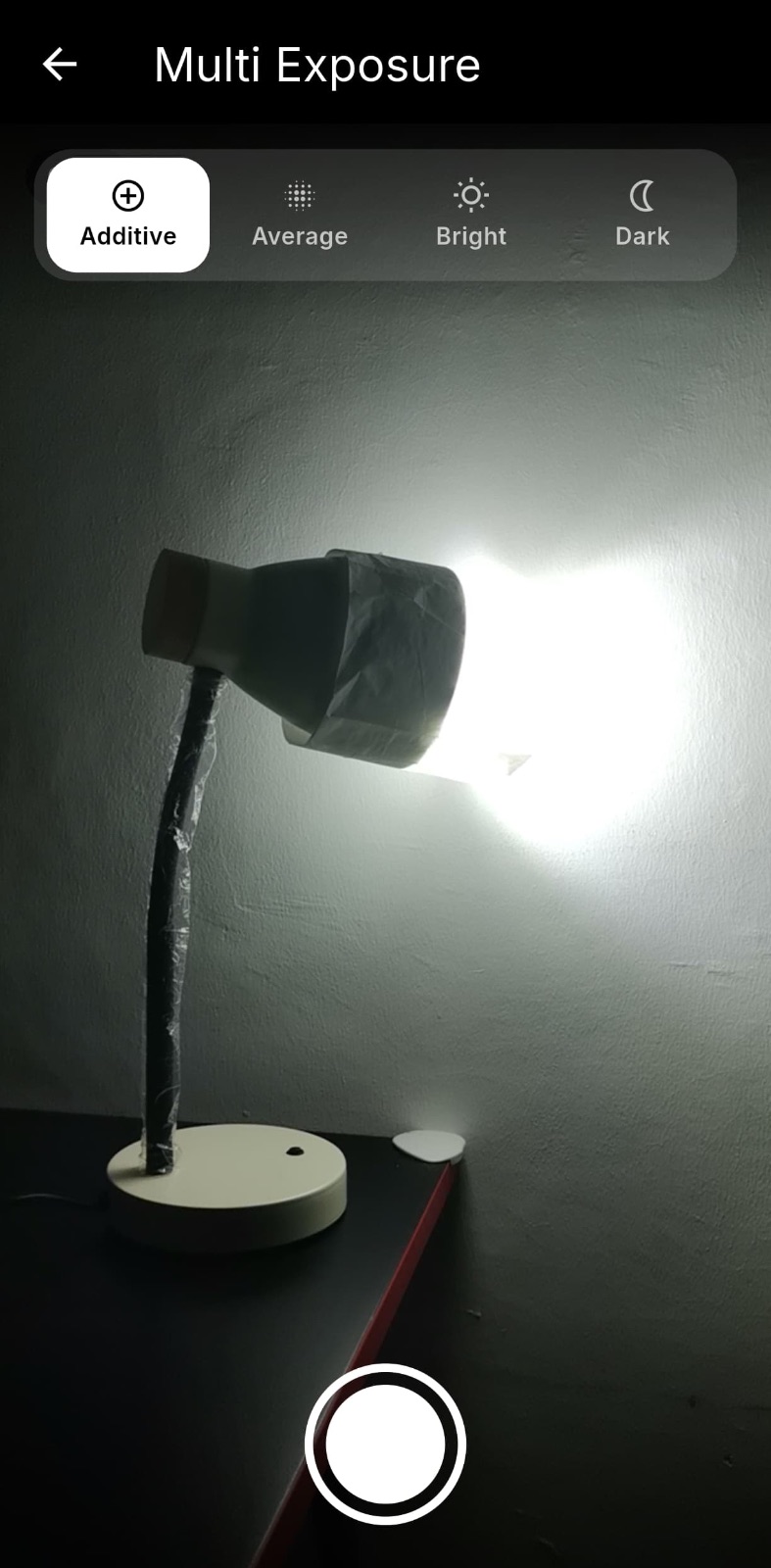
From there I kept adding the things I actually wanted as a photographer. Film Roll lets you load a virtual roll before you shoot, Kodak Gold, Kodak Portra, Fuji Superia, Fuji Acros, CineStill 800T, each with its own color character and a fixed shot count, just like a real roll running out. I made sure some rolls could randomly light-leak or fog a frame, a "bug" I built on purpose, because that unpredictability is half of what makes film interesting in the first place. Polaroid mode prints a shot out and develops it in front of you, and you can shake the phone to speed it up, because if I'm faking the format, I might as well fake the ritual too. Color Filter applies grades modeled after real film stocks, and Multi Exposure stacks up to five shots into one frame, with different blend modes depending on how heavy-handed you want the result.
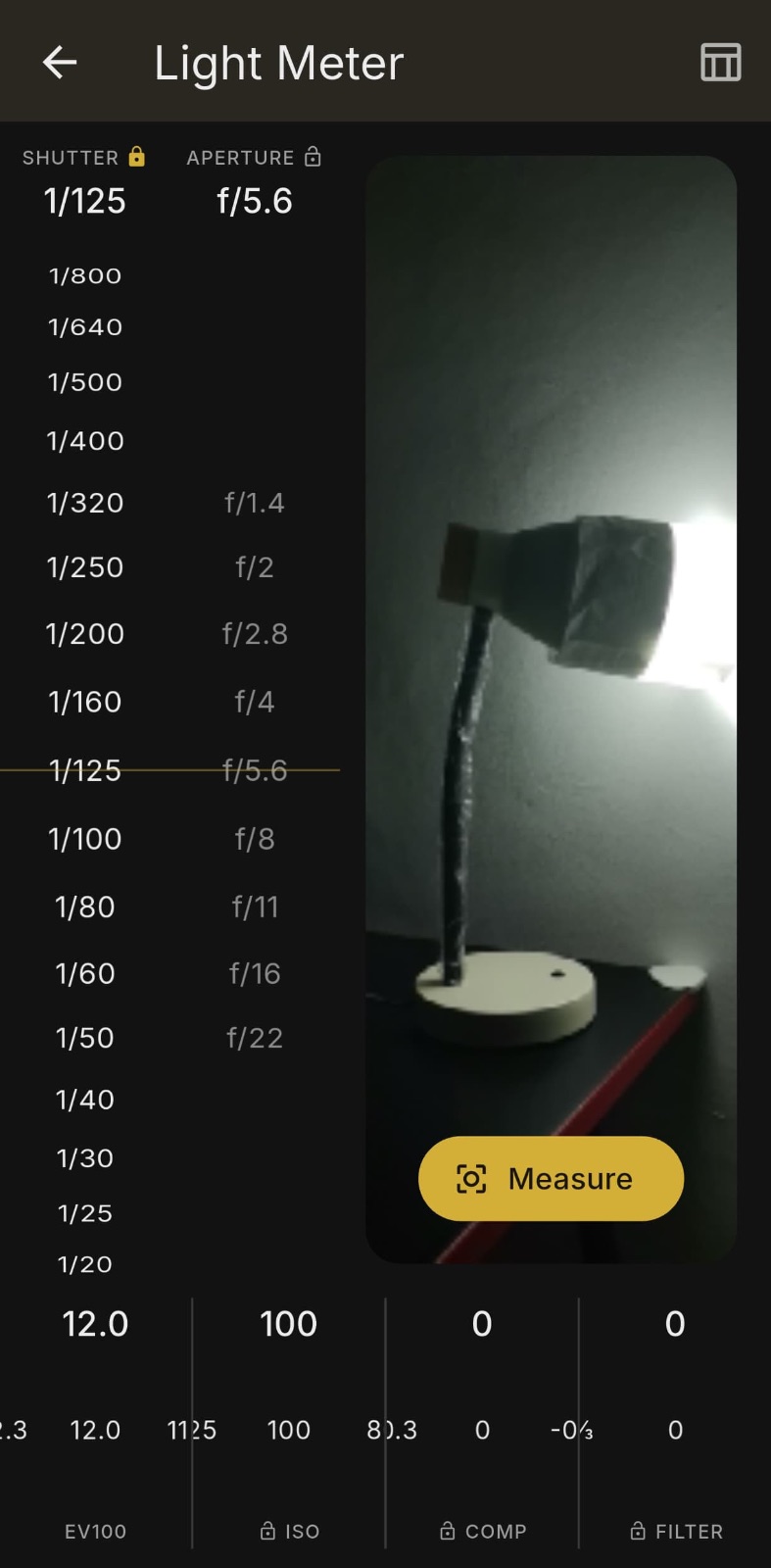
The last piece was a light meter, mostly because I wanted one in my pocket. Point it at a subject, read the available light, then adjust shutter speed, aperture, ISO, and exposure compensation, with everything else recalculating to match as you go.
None of this started as a business idea. It started as a list of small things I kept wanting while I was out shooting: a proper frame for my photos, a way to check exposure without a separate app, a result that felt a little less perfect than what my phone naturally produces. Rolla is just that list, built, and shipped.